

Mood and Tension Whilst on a Very Low Energy Diet (VLED)
This information is general in nature and does not replace personalised professional advice. Please contact your healthcare team if you have any questions or concerns.
Is it “normal” for mood to change on a VLED?
Yes! A VLED involves major changes to the way you eat, so it can affect both your body and your emotions [1]. Some people notice changes in mood or stress levels, particularly in the early stages. Other's notice little change, or even improvements as time goes on. Everyone’s experience is different, which is why it’s important not to compare yourself with others [2].
Why do moods and emotions change?
There are several reasons why a VLED can affect how you feel:
Big changes to eating habits. Following a very structured plan or having fewer food choices can feel mentally tiring or frustrating [1,3].
Moving from regular meals to mostly liquid or prescribed foods is a big adjustment and can feel uncomfortable at first [1].
Hunger and cravings can increase, especially early on, and may contribute to more “food noise”, which can feel exhausting [3-5].
Many people use food for emotional support, so you may need to find new ways to cope during this time [2,6].
Eating out or spending time with friends and family may feel harder. You may feel unsure about what to eat, worry about drawing attention to your plan, or prefer not to share that you’re on a weight loss program [3].
These changes can affect mood, stress levels and enjoyment of your daily life.
What emotional changes might people notice?
Some people on a VLED report:
Feeling irritable or short-tempered [7].
Feeling low, flat or emotional [2,7].
Feeling more stressed or overwhelmed [8].
Frustration or boredom with the plan [3].
Feeling left out in social or family meals [2,3].
Internal struggles that others may not notice [3].
Physical side effects such as fatigue, feeling cold, headaches or low energy can also affect your mood [2].
Does a VLED always make mood worse?
No. VLEDs do not always reduce mental wellbeing. In fact, some people experience:
Stable mood (even if they expected it to be worse) [9].
Improvements in mood, stress or anxiety over time [2,9].
Feeling more in control or motivated [9].
Better understanding of hunger and eating habits [9].
Boredom and “VLED fatigue”?
Many people find that part way through a VLED, it can feel boring, repetitive and tedious [9]. This is common, especially if you are required to stay on a VLED for a long period of time. It can be helped by:
Trying different meal replacement flavours to add variety (eg. shakes, bar, soups) [9].
Preparing meals differently within your plan, such as adding approved vegetables to soups for extra flavour and texture or trying new recipes using allowed vegetables or salads with low calorie dressings [9]. Check out Optifast (https://www.optifast.com.au/optifast-vlcd-recipes-inspiration) for some inspiration with VLED appropriate recipes.
Including low-calorie options (eg. warm broth, black tea or coffee with a splash of milk, or sparkling water) [10].
Reminding yourself that this phase is short-term (VLED is not forever!) [9].
Refocusing on why you chose to do the VLED in the first place [7].
When to seek support?
Getting support early can make a big difference. Regular check-ins with your dietitian or GP, talking through challenges as they come up and having support from friends or family can all help to protect your emotional wellbeing during a VLED [3].
Some people may need extra support, including:
People who have experienced depression or anxiety in the past [2].
People who often use food to cope with stress or emotions [6,11].
People with limited support from family or friends [3].
Speak to your healthcare team if:
Mood changes feel strong, overwhelming or leave you feeling “stuck” [4].
Low mood or stress lasts longer than 2 weeks [12].
You feel like you are not coping with day-to-day life [12].
If you have thoughts of harming yourself, feel unsafe or think you might act on these thoughts, seek urgent help straight away.
Support services in Australia:
Lifeline: Call 13 11 14 or text 0477 13 11 14
Butterfly Foundation: 1800 33 4673 or chat online at https://butterfly.org.au/get-support/helpline/
Beyond Blue:1300 22 4636
Get more support with Prospero Health
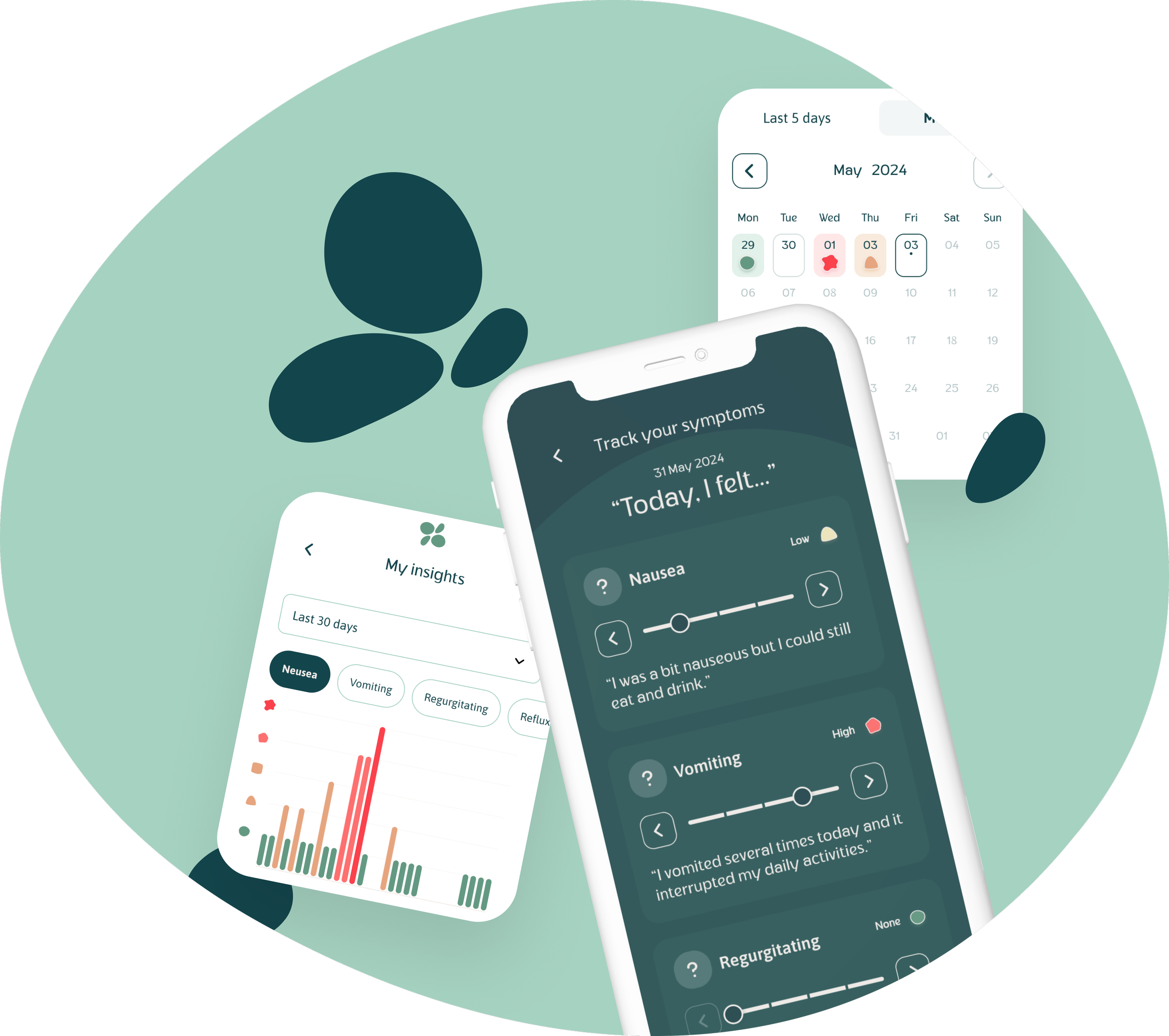
Our App helps you stay supported between appointments — with evidence-based information, simple check-ins to track symptoms, appetite and mood, and insights to help you understand your treatment journey.
Designed for Australians using obesity management medications or navigating bariatric surgery.
Get started free
References
Delbridge, E. and Proietto, J (2006) ‘State of the science: VLED (Very Low Energy Diet) for obesity’,Asia Pacific Journal of Clinical Nutrition, 15, pp. 49-54.
Harris, R.A. et al. (2022) ‘Effects of total diet replacement programs on mental well-being: A systematic review with meta-analyses', Obesity Reviews: An Official Journal of the International Association for the Study of Obesity, 23(11): e13465.
Gow, M.L. et al. (2024) ‘Efficacy, Safety and Acceptability of a Very-Low-Energy Diet in Adolescents with Obesity: A Fast Track to Health Sub-Study', Nutrients, 16(18), 3125.
Hayashi, D. et al. (2023) ‘What Is Food Noise? A Conceptual Model of Food Cue Reactivity’, Nutrients, 15(22), 4809.
Meule, A (2020) ‘The Psychology of Food Cravings: the Role of Food Deprivation’, Current Nutrition Reports, 9(3), pp. 251-257.
Dakanalis, A. et al. (2023) ‘The Association of Emotional Eating with Overweight/Obesity, Depression, Anxiety/Stress, and Dietary Patterns: A Review of the Current Clinical Evidence’, Nutrients, 15(5), 1173.
LighterLife (2025) Managing side effects of a very-low calorie diet (VLCD). https://www.lighterlife.com/lighterlife-com-managing-vlcd-side-effects/?srsltid=AfmBOorhpMAnw9aSLUJSPY1AIAgVrhAz-YTzhPNjcG3SWOxIVwwcVXTM
Gripeteg, L. et al. (2010) ‘Predictors of very-low-energy diet outcome in obese women and men’, Obesity Facts, 3(3), pp. 159-65.
Rehackova, L. et al. (2017) ‘Acceptability of a very-low-energy diet in Type 2 diabetes: patient experiences and behaviour regulation’, Diabetic Medicine, 34(11), pp. 1554-1567.
Lambert, K. et al. (2020) ‘A practical guide for the use of very low calorie diets in adults with chronic kidney disease’, Nephrology, 25(4), pp. 281-289.
Frayn, M. Livshits, S. and Knäuper, B (2018) ‘Emotional eating and weight regulation: a qualitative study of compensatory behaviors and concerns’, Journal of Eating Disorders, 6, 23.
National Institute of Mental Health (2024) Caring for your mental health. https://www.nimh.nih.gov/health/topics/caring-for-your-mental-health