

Everything you need to know about Regurgitation
This information is general in nature and does not replace personalised professional advice. Please contact your healthcare team if you have any questions or concerns.
What is regurgitation?
Regurgitation is when stomach contents (food, liquid, or gastric juices) flow backward up the oesophagus and into the mouth or throat, often without forceful vomiting, nausea, or retching. It differs from vomiting in that it's usually more passive and less intense. It may accompany or be distinct from acid reflux symptoms. [1-3]
Potential causes
Regurgitation can have many contributing factors. Some of the common ones include:
Gastro-Oesophageal Reflux Disease (GORD): A weakened or dysfunctional lower oesophageal sphincter can allow stomach contents to flow backward, causing regurgitation often along with heartburn [1-3].
Hiatal hernia: When part of the stomach pushes upward through the diaphragm, it can disrupt the lower oesophageal sphincter function and facilitate backward flow [4].
Delayed gastric emptying: If the stomach empties slowly, contents may back up and increase the chance of regurgitation [1-3]
Structural or motility disorders: Conditions that reduce the ability of the food pipe (oesophagus) to move contents downward, making backward flow more likely [1-3].
Stomach surgery: Some surgeries (especially on the stomach or oesophagus) such as bariatric surgery may alter anatomy, increasing risk of regurgitation [6].
Obesity Management Medications: Medications such as GLP-1RA medicines commonly cause gastrointestinal side effects, including nausea and sometimes regurgitation, especially when treatment is begun or doses are increased [5].
Diet, behaviour, and lifestyle factors: Large meals, eating too fast, high-fat or spicy foods, caffeine, alcohol, lying down soon after eating, and obesity all can aggravate regurgitation [3,4,5].
What you can do
While the underlying cause determines the best approach, some general strategies may help reduce regurgitation symptoms:
Eat smaller, more frequent meals instead of large ones.
Separate foods and fluids (ie. drink between meals rather than with meals) to avoid over-filling the stomach.
Avoid lying down or reclining soon after eating — wait at least 2 hours to lie down.
Elevate the head of the bed when sleeping (e.g. prop with pillows or use a wedge).
Avoid known trigger foods and drinks: high fat foods (creamy or oily), caffeinated drinks, alcoholic drinks, carbonated drinks.
Eat slowly, chew thoroughly, and avoid overeating.
Avoid tight belts or garments that compress the abdomen.
If using GLP-1RA medicines, liaise with your health care clinician about dose adjustments if it is causing recurrent regurgitation.
If you have had stomach surgery (like bariatric surgery) ask your surgical team about strategies to manage regurgitation or investigate it if it worsens.
Over-the-counter antacids or acid-lowering medications may help reduce the acid content of regurgitated material and ease irritation, but they may not fix the problem that is causing the regurgitation [4].
When to seek help
Seek medical advice from your healthcare team if:
Frequent or worsening regurgitation, especially interfering with eating adequately.
Increasing difficulty swallowing or pain with swallowing.
Presence of blood in stool (stools may be black and tar-like).
Vomiting blood.
Persistent hoarseness, chronic cough, or breathing issues.
Any sudden, severe chest pain not typical for you.
Call 000 or go to the nearest emergency department, if your regurgitation is severe and persistent, if you are regurgitating blood, have very severe pain, or signs of severe dehydration (for example, no urine, very dark urine, marked dizziness).
Please contact your healthcare team if you have any questions or concerns.
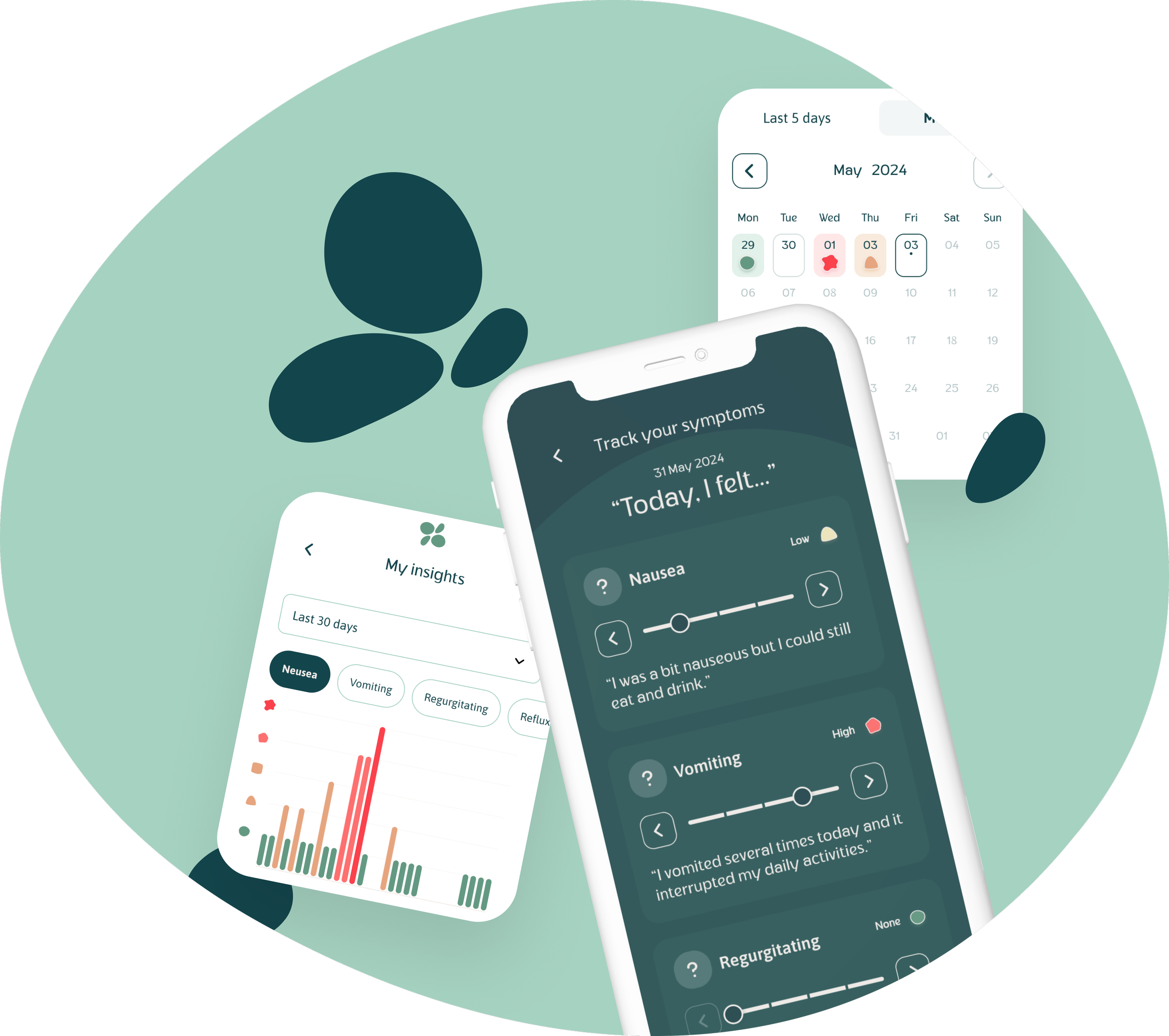
Get more support in the Prospero Health App
The app shows articles like this to you at the right time — in the right place.
Prospero Health App is FREE, and made for Australians using Obesity Management Medications or recovering from bariatric surgery.
References
Healthdirect (2024). Gastro-oesophagel reflux disease (GORD). https://www.healthdirect.gov.au/gord-reflux
Queensland Health (2025). Queensland Community Pharmacy Gastro-oesophageal Reflux and Gastro-oesophageal Reflux Disease – Clinical Practice. https://www.health.qld.gov.au/__data/assets/pdf_file/0019/1304245/gastro-oesophageal-guideline.pdf
Medical News Today (2023). What to know about GERD and regurgitation. https://www.medicalnewstoday.com/articles/regurgitation#prevention
Hebbard H and Keung C (2016). The management of gastro-oesophageal reflux disease. Australian Prescriber 39; 36-9 https://australianprescriber.tg.org.au/articles/the-management-of-gastro-oesophageal-reflux-disease.html
Noh Y, Yin H, Yu O, Bitton A and Azoulay L (2025). Glucago-Like Peptide-1 Receptor Agonists and Risk or Gastroesophageal Reflux Disease in Patients with type 2 Diabetes: A Population-based Cohort Studay. https://www.acpjournals.org/doi/10.7326/ANNALS-24-03420
El-hadi M, Birch D, Gill R and Karmali S (2014). The effect of bariatric surgery of gastroesophageal reflux disease. Can J Surg. 57; 2. https://pmc.ncbi.nlm.nih.gov/articles/PMC3968207/pdf/0570139.pdf