

Everything you need to know about Constipation
This information is general in nature and does not replace personalised medical advice. If you have concerns, please consult your healthcare provider.
What is Constipation?
Constipation occurs when you pass bowel motions less often, or when stools become hard, dry, or difficult to move. You may feel bloated, have stomach discomfort, or feel like you haven’t completely emptied your bowels [1]. Constipation is usually short-term, but if it lasts longer than a few days or becomes painful, it may need treatment to avoid complications such as impaction [1].
Common Causes of Constipation
Constipation can happen for many reasons, including:
Low fibre intake - Not eating enough fruits, vegetables, or whole grains makes stools firm and harder to pass [1].
Dehydration - Not drinking enough fluids causes stools to dry out [1].
Reduced movement - Being less active, especially after surgery, slows bowel activity [1,2].
Medications - Painkillers, iron supplements, some antidepressants, and Obesity Management Medications (such as GLP-1RA medicines) can delay digestion and cause constipation [3,4].
After surgery - Changes to diet and reduced bowel motility after bariatric or abdominal surgery can lead to constipation [2].
Ignoring the urge to go - Holding on for long periods can make constipation worse [1].
Underlying health issues - Conditions such as thyroid disease, diabetes, or irritable bowel syndrome (IBS) can cause ongoing constipation [4].
IBS - some people experience ongoing constipation without an identifiable cause. This is called Irritable Bowel Syndrome (IBS). It results from how the gut and brain communicate, not from inflammation or infection. Stress, certain foods, or changes in gut bacteria can worsen it. Gentle exercise, stress management, and a low-FODMAP diet under professional guidance can help manage IBS constipation [4].
What You Can Do to Manage Constipation
Most cases of constipation can be improved by making a few lifestyle changes:
Drink enough fluids - Aim for about 2 litres (8–10 glasses) of water or low-sugar drinks each day [1].
Eat more fibre - Include fresh fruits, vegetables, whole grains, and legumes in your diet. If you’ve had surgery, use gentle fibre supplements like Benefibre™ or resistant starch that won’t cause bloating [2,4].
Keep active - Walking and light exercise help stimulate the bowels [1].
Go when you feel the urge - Don’t delay bowel movements [1].
Develop a routine - Try going to the toilet at the same time each day, ideally after meals [1].
Review your medicines - If constipation began after starting new medications such as GLP-1 RAs, speak to your doctor. Adjusting the dose, adding a stool softener, or changing medication can help [3].
Consider mild laxatives - If symptoms don’t improve, your doctor may suggest stool softeners or osmotic laxatives. Avoid long-term use without advice [4].
When to Seek Medical Help
You should contact your healthcare provider if:
You haven’t passed a stool for more than three to four days
You have pain or bleeding when passing stool.
You experience nausea, vomiting, or fever
You experience severe bloating, abdominal pain or no bowel movement for a week
Persistent constipation may require further investigation to rule out impaction or other medical conditions [1,4].
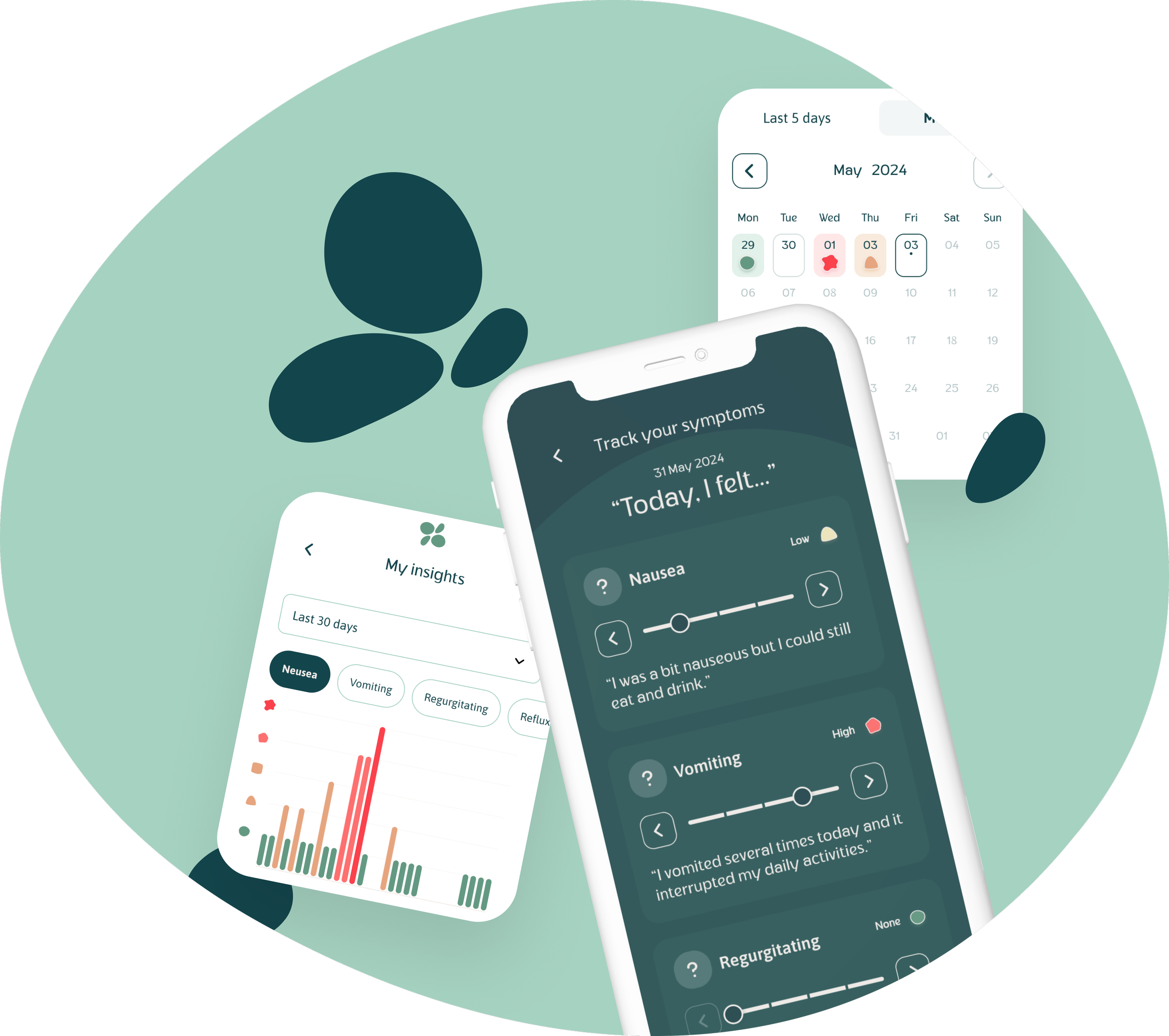
Get more support in the Prospero Health App
The app shows articles like this to you at the right time — in the right place.
Prospero Health App is FREE, and made for Australians using Obesity Management Medications or recovering from bariatric surgery.
References
Healthdirect (2024). Constipation. https://www.healthdirect.gov.au/constipation
Afshar, S. et al. (2016). The Effects of Bariatric Procedures on Bowel Habit. Obesity Surgery, 26(10), 2348–2354. https://doi.org/10.1007/s11695-016-2100-9
Gorgojo-Martínez, J.J. et al. (2023). Clinical Recommendations to Manage Gastrointestinal Adverse Events in Patients Treated with GLP-1 Receptor Agonists.Journal of Clinical Medicine,12(145). https://doi.org/10.3390/jcm12010145
Better Health Channel (2025). Constipation. Victorian Government. https://www.betterhealth.vic.gov.au/health/conditionsandtreatments/constipation