

Everything you need to know about Nausea
This information is general in nature and does not replace personalised professional advice. Please contact your healthcare team if you have any questions or concerns.
What is nausea?
Nausea is the uncomfortable feeling that you may vomit. It’s common and usually short-lived, and it can occur with other symptoms like dizziness or loss of appetite. Common causes include infections (“gastro”), certain medicines, pregnancy, migraine, motion sickness, dehydration or constipation, and stress or anxiety. [1–3]
Potential causes
Eating too quickly, large meals, or rich/fatty/spicy foods that are harder to digest. [1,2]
Side effects from medicines (for example, pain medicines, chemotherapy or Obesity Management Medications (such as GLP-1RA medicines) or supplements (for example vitamin and minerals or herbal supplements). [1,3,4]
Severe pain (for example, migraine). [1]
Stomach ulcer. [3]
Infections such as viral gastroenteritis (“gastro”). [1,4]
Food poisoning. [1]
Morning sickness. [1]
Dehydration or constipation. [1,2]
Stress or anxiety. [1,2]
Recent surgery and anaesthesia (especially in the early recovery period) can also contribute to nausea. [3,4]
What you can do
Prioritise hydration – take small, regular sips of water, oral rehydration drinks, dilute cordials or dilute fruit juices; ice chips or icy poles can help if fluids are hard to keep down. [1,2]
Eat small amounts often – an empty stomach can make nausea feel worse; Do not skip meals and try small, frequent snacks (rather than large meals). [1,2]
Choose light, bland foods – cool or room-temperature, mildly flavoured options (for example, plain crackers, yoghurt, stewed fruit, simple cereals). Avoid greasy, very sweet, or heavily spiced foods if they make you feel worse. [2]
Eat slowly and pause between bites – small bites, chew well, and pause; many people also find separating eating and drinking more comfortable. [2]
Limit or avoid triggers – strong smells, alcohol, and too much caffeine can aggravate nausea. [2]
Try simple soothing options – some people find ginger or peppermint helpful (for example, sip on ginger or peppermint tea or infused cold water). [2]
Check you medication - if nausea began after a new medicine or a dose change, ask your pharmacist or doctor for advice. [1,3]
Keep bowels regular – constipation can worsen nausea; aim for fluids, fibre, and routine. [2]
Anti-nausea medication – if you have been prescribed an anti-nausea medication and instructed to take this by your doctor, take this as directed. [3]
When to seek help
Seek medical advice from your healthcare team if:
You cannot keep fluids down, or you think you are dehydrated (very dark urine, very little urine, dizziness). [1,2]
You have chest pain. [1]
You notice blood in your vomit or stool. [2]
You have severe stomach pain. [1]
You have severe headache [1], especially if you have neck stiffness. [3]
You have a fever. [2]
You feel very weak (dizzy or faint). [2]
Your nausea does not improve, gets worse, or is worrying you (for example, you are not able to eat sufficiently over a long period of time due to the nausea).
Please contact your healthcare team if you have any questions or concerns.
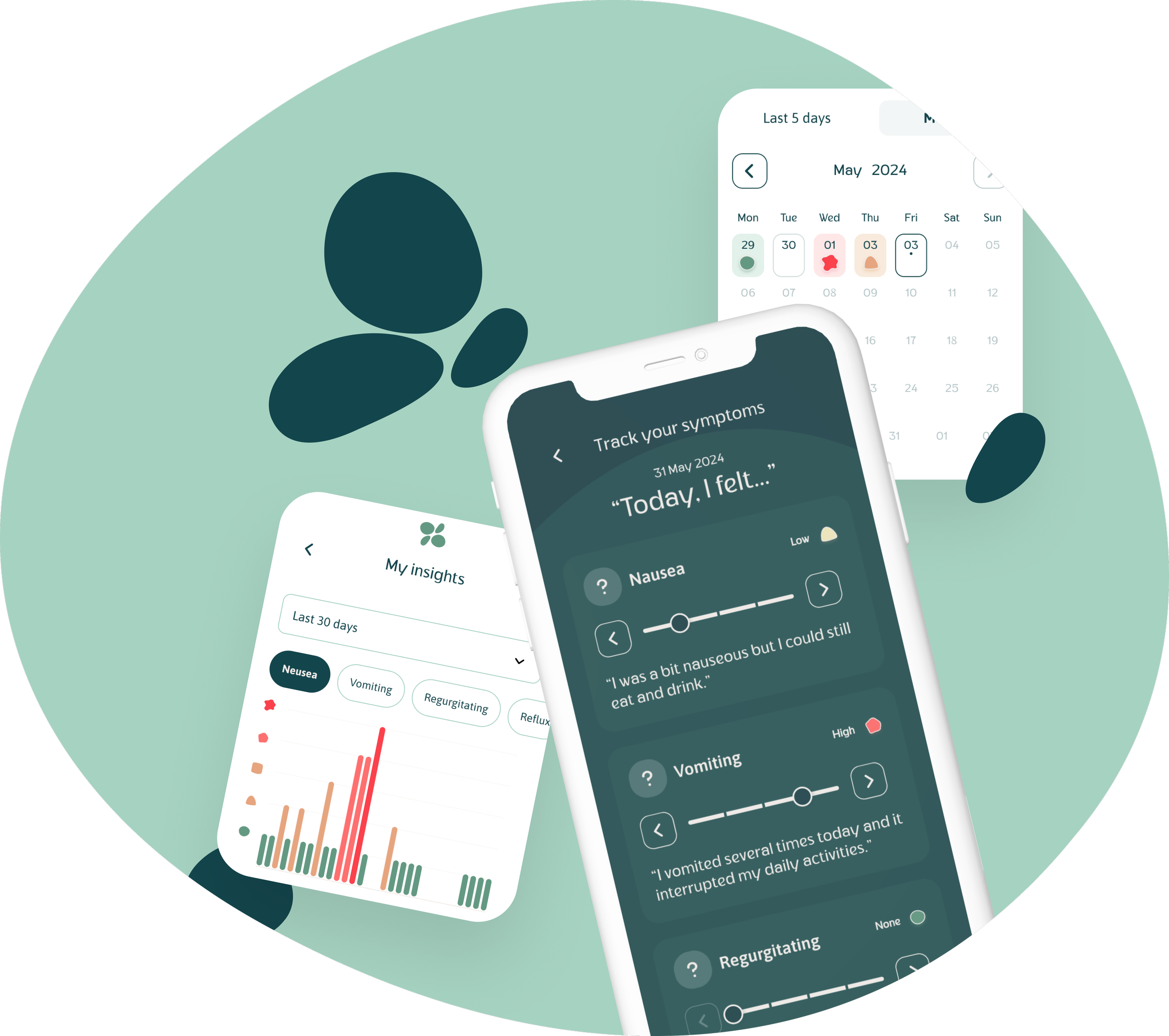
Get more support in the Prospero Health App
The app shows articles like this to you at the right time — in the right place.
Prospero Health App is FREE, and made for Australians using Obesity Management Medications or recovering from bariatric surgery.
References
Healthdirect Australia. Nausea. Last reviewed Aug 2023. https://www.healthdirect.gov.au/nausea
Queensland Health – Nutrition Education Materials Online (NEMO). Nausea and Vomiting (patient resource). Developed May 2023, due for review May 2025. https://www.health.qld.gov.au/__data/assets/pdf_file/0025/149236/oncol-nausea.pdf
RACGP. Nausea and vomiting in adults: a diagnostic approach. Aust Fam Physician. 2007;36(9):688–696.
Gorgojo-Martínez J, Mezquita-Raya P, Carretero-Gómez J et al. Clinical Recommendations to Manage Gastrointestinal Adverse Events in Patients Treated With GLP-1 Receptor Agonists. J. Clin. Med. 2023;12(1):145. https://www.mdpi.com/2077-0383/12/1/145