

Everything you need to know about Reflux
This information is general in nature and does not replace personalized medical advice. If you have concerns, please consult your healthcare provider.
What is Reflux?
Reflux (or heartburn) happens when acid or food from the stomach flows backward into the food pipe (oesophagus). This can cause a burning feeling in the chest or throat, a sour taste in the mouth, or discomfort after eating [1]. Occasional reflux is common but if it happens often or causes damage to the oesophagus, it’s called Gastro-Oesophageal Reflux Disease (GORD) [2].
Reflux occurs when the valve at the bottom of the oesophagus, that normally keeps the stomach contents inside the stomach becomes weak or relaxes too much. This allows stomach acid to escape upward [3].
Common Causes of Reflux
Many things can make reflux more likely, including:
Weak or relaxed stomach valve - If this valve doesn’t close properly, acid can rise into the oesophagus [3].
Hiatal hernia - When part of the stomach pushes up through the diaphragm, making reflux worse [2].
Being overweight or obese - Extra pressure on the stomach can cause acid to flow upward. Losing weight can help [3,4].
Slow digestion - When food stays in the stomach longer, it increases pressure and reflux [2].
Certain medicines - Some painkillers, anti-inflammatories, antibiotics, and Obesity Management Medication (such as GLP-1RA medicines) can make reflux worse [5].
After surgery - Some surgeries on the stomach or oesophagus — especially bariatric (weight loss) procedures can increase reflux, though some types can improve it [4].
Food and lifestyle habits - Eating large meals, lying down soon after eating, smoking, drinking alcohol or caffeine, and eating spicy or fatty foods can all trigger reflux [1,3].
What You Can Do
There are many ways to reduce reflux symptoms. These tips can help:
Eat smaller meals more often instead of large ones.
Eat slowly and chew food well.
Stay upright for at least an hour after eating — don’t lie down straight away.
Raise the head of your bed with extra pillows or a wedge to reduce night-time symptoms.
Avoid foods and drinks that trigger your symptoms, such as caffeine, alcohol, chocolate, fatty or fried foods, citrus, and spicy foods.
Drink fluids between meals instead of during them.
Keep a healthy weight Even small amounts of weight loss can improve reflux [3,4].
Wear loose clothing around your stomach.
Manage stress with relaxation, gentle exercise, or breathing techniques.
Stay active light walking or gentle movement after eating can help digestion and reduce reflux.
If lifestyle changes aren’t enough, medications can help:
Antacids provide quick, short-term relief.
H₂ blockers and proton pump inhibitors (PPIs) reduce acid production and allow healing. PPIs work well but should be used at the lowest effective dose and checked regularly by a healthcare professional [2,3].
When to Seek Medical Help
You should see your doctor if:
Reflux continues despite following your doctor’s advice
You have trouble or pain when swallowing
Reflux is impacting your ability to eat, drink or sleep meaning you cannot carry out your normal activities
You have severe or unusual chest pain
Ongoing cough, sore throat, or hoarse voice linked to reflux
These symptoms can sometimes point to more serious problems which need to be investigated by your medical doctor [2,3].
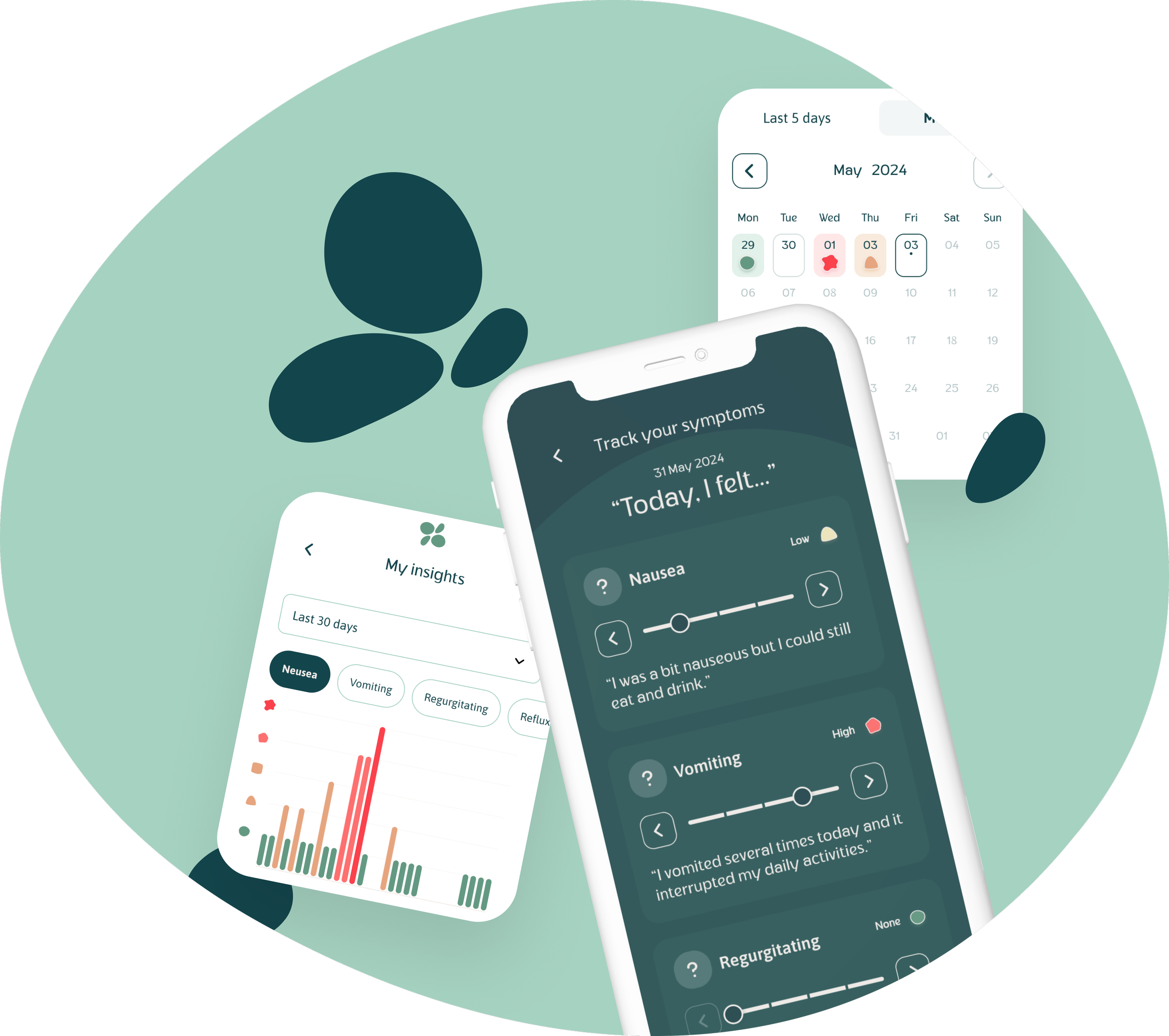
Get more support in the Prospero Health App
The app shows articles like this to you at the right time — in the right place.
Prospero Health App is FREE, and made for Australians using Obesity Management Medications or recovering from bariatric surgery.
References
Healthdirect (2024).Gastro-oesophageal reflux disease (GORD). Available at: https://www.healthdirect.gov.au/gord-reflux
Queensland Health (2025). Queensland Community Pharmacy Gastro-oesophageal Reflux and Gastro-oesophageal Reflux Disease – Clinical Practice Guideline. Queensland Government. Available at: https://www.health.qld.gov.au/__data/assets/pdf_file/0019/1304245/gastro-oesophageal-guideline.pdf
Hebbard G. and Keung C. (2016).
The Management of Gastro-oesophageal Reflux Disease. Australian Prescriber, 39(1), 6–10. Available at: https://australianprescriber.tg.org.au/articles/the-management-of-gastro-oesophageal-reflux-disease.html
.El-Hadi M., Birch D., Gill R. S. and Karmali S. (2014).The Effect of Bariatric Surgery on Gastroesophageal Reflux Disease. CanadianJournal of Surgery, 57(2), 139–144. Available at: https://pmc.ncbi.nlm.nih.gov/articles/PMC3968207/
Noh Y, Yin H, Yu O, Bitton A and Azoulay L (2025). Glucago-Like Peptide-1 Receptor Agonists and Risk or Gastroesophageal Reflux Disease in Patients with type 2 Diabetes: A Population-based Cohort Studay. Available at: https://www.acpjournals.org/doi/10.7326/ANNALS-24-03420