

Everything you need to know about Abdominal Pain
This information is general in nature and does not replace personalised professional advice. Please contact your healthcare team if you have any questions or concerns.
What is Abdominal Pain?
Abdominal pain is discomfort or pain felt anywhere between the bottom of your ribs and your pelvis. It can range from mild to severe and may arise for many different reasons, from simple digestive upset to more serious conditions. Pain can be a constant ache or burning sensation, stabbing or cramping, and may move or come and go. It can also be accompanied by bloating, nausea, vomiting, heartburn, constipation, or diarrhoea. [2,3]
Potential causes
Digestive issues – constipation and indigestion are common triggers [2,3].
Eating behaviours – eating too quickly, eating large meals, or eating and drinking at the same time can lead to abdominal pain and symptoms of reflux [2,3].
Dietary factors – eating fatty, spicy, caffeinated, or alcoholic foods may worsen pain [2,3]. High-lactose foods such as dairy milk and yoghurt can cause pain in people with lactose intolerance, sometimes occurring after infection or surgery [1]. Some individuals experience abdominal pain with malabsorption of dietary carbohydrates known as FODMAPs [1].
Infections – stomach bugs and food poisoning commonly cause abdominal pain with nausea, vomiting, and diarrhoea [3].
Post-surgical recovery – abdominal or gut surgery, including bariatric surgery, can cause abdominal pain in the early recovery period [4].
Medications or supplements – pain medication, high-strength multivitamins, and Obesity Management Medications (such as GLP-1RA medicines) can cause gastrointestinal discomfort [5]. Some antibiotics can temporarily affect gut bacteria, leading to mild pain or bloating, which usually resolves after the course finishes [2-3].
Other medical conditions – gallstones, ulcers, pancreatic conditions, or hernias can lead to abdominal pain [3].
Stress or anxiety – the digestive system can be sensitive to emotional stress, sometimes causing pain [2-3].
Menstruation – uterine cramping and menstrual pain may present as abdominal pain [3].
Abdominal pain and IBS - some people experience ongoing abdominal pain without an identifiable cause on tests — known as Irritable Bowel Syndrome (IBS). This pain is real but results from how the gut and brain communicate, not from inflammation or infection. Stress, certain foods, or changes in gut bacteria can worsen it. Gentle exercise, stress management, and a low-FODMAP diet under professional guidance can help manage these symptoms [6].
What you can do
What will help abdominal pain largely depends on its cause, which is why it’s important to have it assessed by a healthcare professional if it persists or worsens.
Track your abdominal pain symptoms – note when, where, and what type of pain you experience, as well as your diet and related symptoms [6].
Follow a gentle diet – eat smaller, more frequent meals, avoiding fibrous, fatty, or spicy foods, and known irritants like caffeine or alcohol [1-3].
Stay hydrated – sip fluids such as water, rehydration drinks, or diluted juice regularly. If you’ve been vomiting or have diarrhoea, oral rehydration solutions (ORS) or electrolyte drinks may be better than plain water, as they replace essential salts and help prevent dehydration [2-3].
Address constipation – ensure adequate fluid (>2 L/day) and fibre intake and consider an over-the-counter fibre supplement or gentle laxative if needed [2-3].
Gentle movement – light walking or stretching can relieve gas, aid digestion, and promote bowel movement [2-3].
Rest and heat – resting comfortably and using a heat pack on your abdomen can help with pain [2-3].
Over-the-counter products – antacids for reflux, gentle laxatives, or mild pain relief (paracetamol) may help but should be checked with your healthcare provider first [2-3].
Preventing abdominal pain when recovering from stomach or intestinal surgery
If you are recovering from stomach or gut surgery (such as bariatric surgery), some simple habits can reduce discomfort:
Follow medical and dietary advice – in early recovery, consume liquid or soft foods in small, frequent amounts, focusing on nourishing choices [7].
Take prescribed medications and supplements as directed – discuss any side effects with your care team [8].
Avoid straining or heavy lifting – delay strenuous activity for several weeks or until cleared by your doctor [8].
Limit gas-producing foods and drinks – avoid carbonated beverages, gum, or straws which can cause discomfort [7].
Practice relaxation techniques – mindfulness or relaxation can help ease digestive discomfort [8].
When to seek help
See your healthcare team if you experience:
Severe or worsening abdominal pain that doesn’t improve with self-care
Pain accompanied by fever, persistent vomiting, or blood in the stool
Abdominal pain after surgery that is unusual, severe, or worsening
Abdominal pain in children, older adults, or people who are pregnant should always be reviewed by a healthcare professional, as causes and warning signs can differ
Call 000 or go to the nearest emergency department if pain is sudden, severe, or associated with fainting, bleeding, or other concerning symptoms.
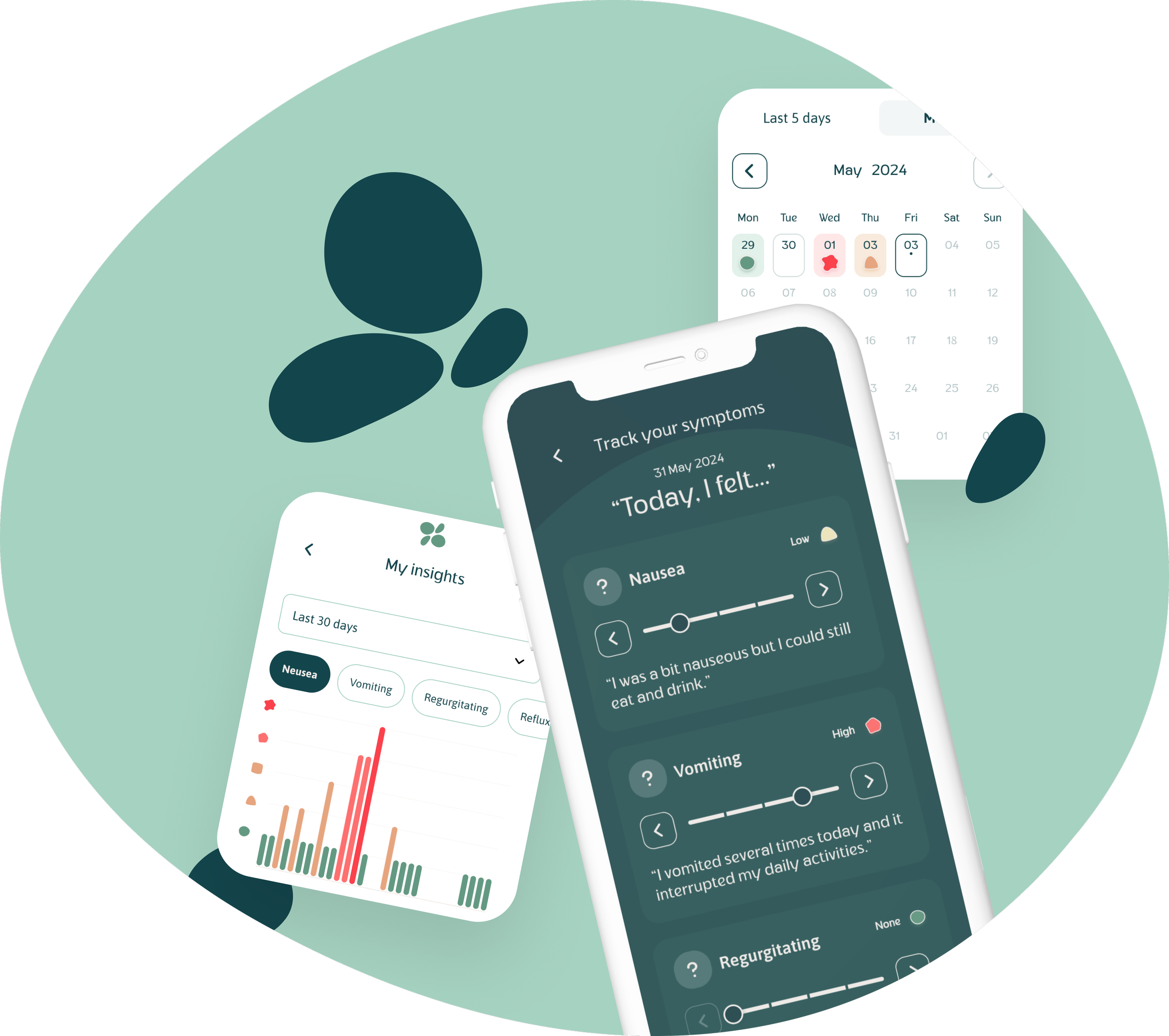
Get more support in the Prospero Health App
The app shows articles like this to you at the right time — in the right place.
Prospero Health App is FREE, and made for Australians using Obesity Management Medications or recovering from bariatric surgery.
References
ASCIA (2023). Food intolerance factsheet. Australasian Society of Clinical Immunology and Allergy. https://www.allergy.org.au/patients/food-other-adverse-reactions/food-intolerance
Better Health Channel (2024). Abdominal pain. Victorian State Government. https://www.betterhealth.vic.gov.au
Healthdirect Australia (2024). Abdominal pain. https://www.healthdirect.gov.au/abdominal-pain
Zantuck N (2008). Surgical causes of upper abdominal pain. Australian Family Physician. 37; 8. https://www.racgp.org.au/getattachment/2f869cf4-f058-4ed3-9413-ec3620c1e405/attachment.aspx
Chiang C. et al (2025). Glucagon-Like Peptide-1 Receptor Agonists and Gastrointestinal Adverse Events: A Systemic Review and Meta-Analysis. Gastroenterology
Ko Y and Ho V (2021). Irritable bowel syndrome. Medicine Today. 22, 8. https://medicinetoday.com.au/system/files/pdf/MT2021-08-021-KO.pdf
Queensland Health (2022). Diet after Bariatric Surgery. NEMO resources. https://www.health.qld.gov.au/__data/assets/pdf_file/0025/1039912/bari-surg-overview.pdf
Postoperative pain management. The Australian Prescriber. 36; 6. https://australianprescriber.tg.org.au/assets/4811a27845042173-00a4ff09097b-postoperative-pain-management_36-202.pdf