

Everything you need to know about Diarrhoea
This information is general in nature and does not replace personalised medical advice. If you have concerns, please consult your healthcare provider.
What is Diarrhoea?
Diarrhoea means having loose or watery bowel movements usually multiple times. It can cause stomach cramps, bloating, urgency, or discomfort [1]. It’s common after dietary changes, medication use, or stomach/intestinal surgery including bariatric (weight-loss) surgery, and can range from mild to severe. Most cases settle within a few days, but long-lasting diarrhoea can lead to dehydration or nutrient loss and should be checked by a doctor [2,3].
Common Causes of Diarrhoea
There are many possible causes of diarrhoea. These include:
Infections - Viruses, bacteria, or parasites can irritate the bowel and cause diarrhoea. Common examples include food poisoning or gastroenteritis [1].
Medications - Some medicines, such as antibiotics or magnesium supplements, Obesity Management Medications (like GLP-1RAs) can cause diarrhoea by altering gut movement, or changing gut bacteria [3,4].
Dietary changes - Sudden changes in diet, eating high-fat or very sugary foods, or starting a very low-calorie plan can upset digestion [1,2].
Surgery - Gastrointestinal surgeries, including bariatric procedures, can change how food and nutrients are absorbed. This can lead to diarrhoea, especially after bypass-type operations [5].
Food intolerance - Some people develop sensitivity to lactose (in dairy) or artificial sweeteners like sorbitol or mannitol, which can cause loose stools [2,5].
Dumping syndrome - Eating too quickly or having foods high in sugar or fat can cause food to move rapidly into the bowel after bariatric surgery, leading to diarrhoea, cramps, and nausea [5].
Chronic conditions - Ongoing bowel conditions like irritable bowel syndrome (IBS), coeliac disease, or inflammatory bowel disease (IBD) can also cause diarrhoea [1].
IBS - some people experience ongoing diarrhoea without an identifiable cause on tests. This is called
Irritable Bowel Syndrome (IBS). It results from how the gut and brain communicate, not from inflammation or infection. Stress, certain foods, or changes in gut bacteria can worsen it. Gentle exercise, stress management, and a low-FODMAP diet under professional guidance can help manage IBS diarrhoea [2].
What You Can Do to Manage Diarrhoea
Most diarrhoea improves within a few days, but there are several steps you can take to feel better and avoid dehydration:
Keep hydrated - Drink plenty of fluids, aiming for at least 1.5 to 2 litres of water daily. Try oral rehydration solutions like Hydralyte™ if you are losing a lot of fluid [1].
Choose gentle foods - Eat bland, low-fibre foods like peeled fruit, soft cooked vegetables, rice, or oatmeal. Avoid spicy or greasy meals [1].
Avoid sugary or fatty foods - High-sugar or high-fat foods can worsen diarrhoea and trigger dumping symptoms [5].
Limit caffeine and alcohol - These can irritate the stomach and intestines [1].
Avoid dairy if needed - If you notice bloating or diarrhoea after milk or yoghurt, try lactose-free options or use lactase tablets [1,5].
Avoid sorbitol and mannitol - These artificial sweeteners can worsen diarrhoea [5].
Eat small, slow meals - Overeating or eating too fast can worsen diarrhoea after surgery. Stop eating when you feel comfortable, not full [2].
Check your medications - Some medicines can cause temporary diarrhoea. If it persists, speak to your healthcare provider about dose timing or supportive treatment [3,4].
Probiotics - These may help restore healthy gut bacteria after antibiotic use or infection but should be cleared by a medical doctor before use [1].
When to Seek Medical Help
You should seek medical attention if you:
Have diarrhoea lasting more than three days or it keeps coming back.
Notice blood, mucus, or black stool.
Have fever, vomiting, or severe stomach pain.
Feel light-headed, weak, or notice dark urine (signs of dehydration).
Recently had surgery or started new medication and symptoms are severe.
Persistent diarrhoea can sometimes indicate conditions like infection, malabsorption, or bile acid imbalance, particularly after bariatric surgery [5].
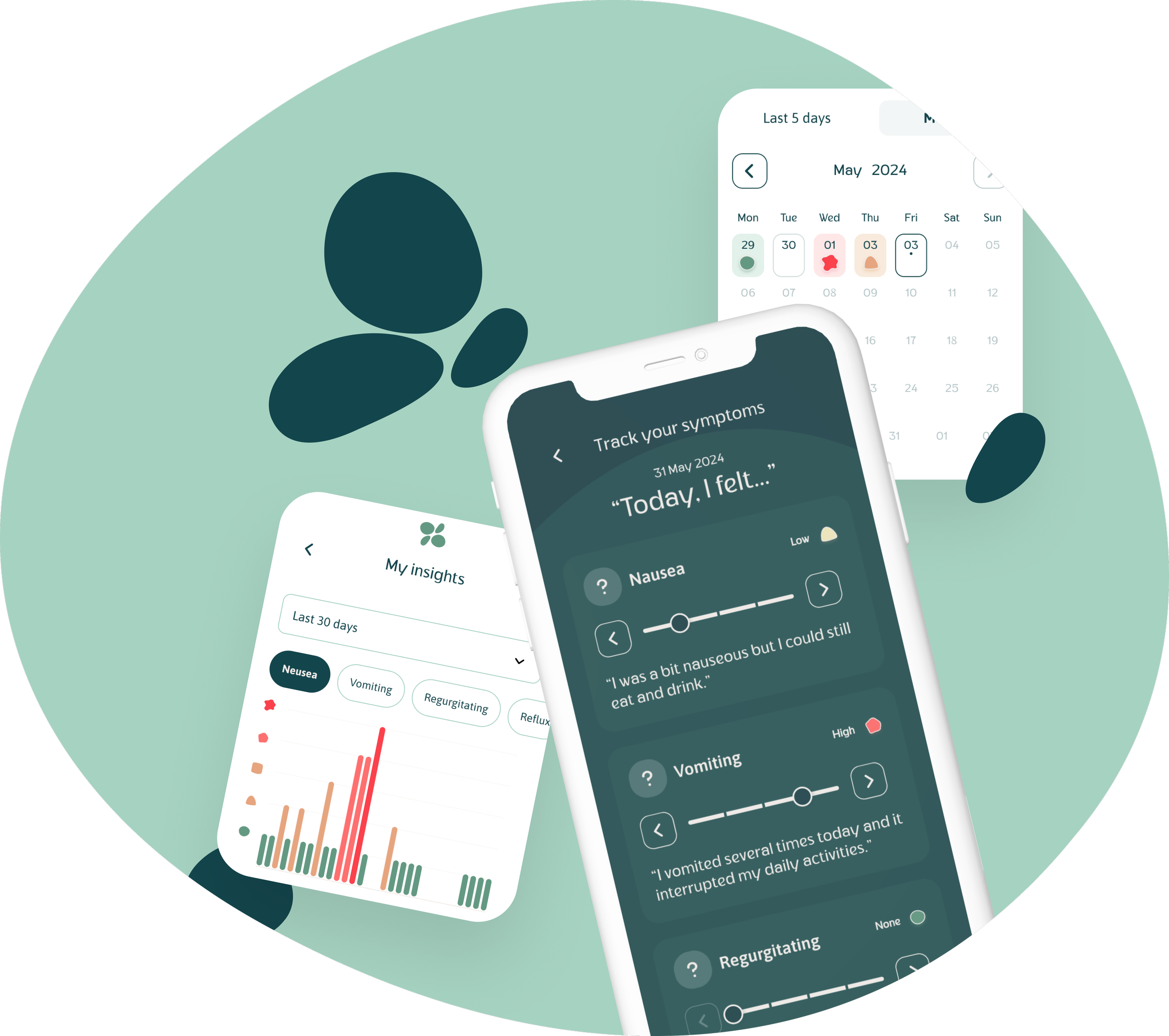
Get more support in the Prospero Health App
The app shows articles like this to you at the right time — in the right place.
Prospero Health App is FREE, and made for Australians using Obesity Management Medications or recovering from bariatric surgery.
References
Healthdirect (2024). Diarrhoea. https://www.healthdirect.gov.au/diarrhoea
Better Health Channel (2025). Diarrhoea. Victorian Government. https://www.betterhealth.vic.gov.au/health/conditionsandtreatments/diarrhoea
Gorgojo-Martínez, J.J. et al. (2023). Clinical Recommendations to Manage Gastrointestinal Adverse Events in Patients Treated with GLP-1 Receptor Agonists. Journal of Clinical Medicine, 12 (145). https://doi.org/10.3390/jcm12010145
Borbély, Y.M. et al. (2017). Diarrhea After Bariatric Procedures: Diagnosis and Therapy.World Journal of Gastroenterology, 23(26), 4689–4700. https://doi.org/10.3748/wjg.v23.i26.4689
Afshar, S. et al. (2016). The Effects of Bariatric Procedures on Bowel Habit. Obesity Surgery, 26(10), 2348–2354. https://doi.org/10.1007/s11695-016-2100-9.