

Everything you need to know about Vomiting
This information is general in nature and does not replace personalised professional advice. Please contact your healthcare team if you have any questions or concerns.
What is vomiting?
Vomiting is when the body forcefully empties the stomach through the mouth. It can occur for many reasons, including infections, food poisoning, reactions to medicines, or after surgery. It may also happen as a side effect of medical or surgical treatments and should be checked if it does not settle [1–3].
Potential causes
Infections - such as viral gastroenteritis (“gastro”) or food poisoning [1].
Side effects from medicines or supplements - for example, antibiotics, pain relievers, or Obesity Management Medications (OMMs), such as GLP-1RAs [1,3,4].
Recent surgery or anaesthesia - where vomiting may indicate irritation or intolerance and needs review by your healthcare team [3,4].
Intolerance to certain foods - for example, high-fat or very sweet meals [1,2].
Pregnancy (morning sickness) [1].
Gallstones or other abdominal conditions [3].
Stress or anxiety [1].
What you can do
Prioritise hydration – take small, regular sips of water or an oral rehydration/electrolyte drink; ice chips or icy poles may help [1,2].
Rest your stomach briefly – avoid solid foods until vomiting eases; when ready, reintroduce bland, light options such as crackers, rice or stewed fruit [1,2].
Eat and drink slowly – small bites and sips are less likely to trigger vomiting [2].
Choose mild, easily digested foods – yoghurt, plain biscuits or soups; avoid greasy, fried or spicy foods if these make you feel worse [2,4].
Stay upright – avoid lying flat straight after eating or drinking [2].
Practise food safety – store and handle food properly to reduce the risk of food-borne illness [1].
Check medicines – if vomiting began soon after starting or changing a medicine, ask your pharmacist or doctor for advice [1,3].
Avoid strong smells – odours from cooking or the environment can sometimes trigger vomiting [2].
Monitor your symptoms – note when vomiting happens, what foods were involved, and whether other symptoms (such as pain or fever) occur; share this with your healthcare team [1,3].
When to seek help
Seek medical advice from your healthcare team if:
You vomit repeatedly and cannot keep fluids down [1,2].
There is blood in your vomit or it looks like coffee grounds [1,3].
Vomiting is accompanied by severe abdominal pain, fever, dizziness or weakness [1,3].
You are losing weight without trying, or vomiting continues and worries you [1].
Call 000 or go to the nearest emergency department, if you have severe vomiting with blood, very severe pain, fainting, or signs of dehydration (for example, no urine, very dark urine, marked dizziness).
Please contact your healthcare team if you have any questions or concerns.
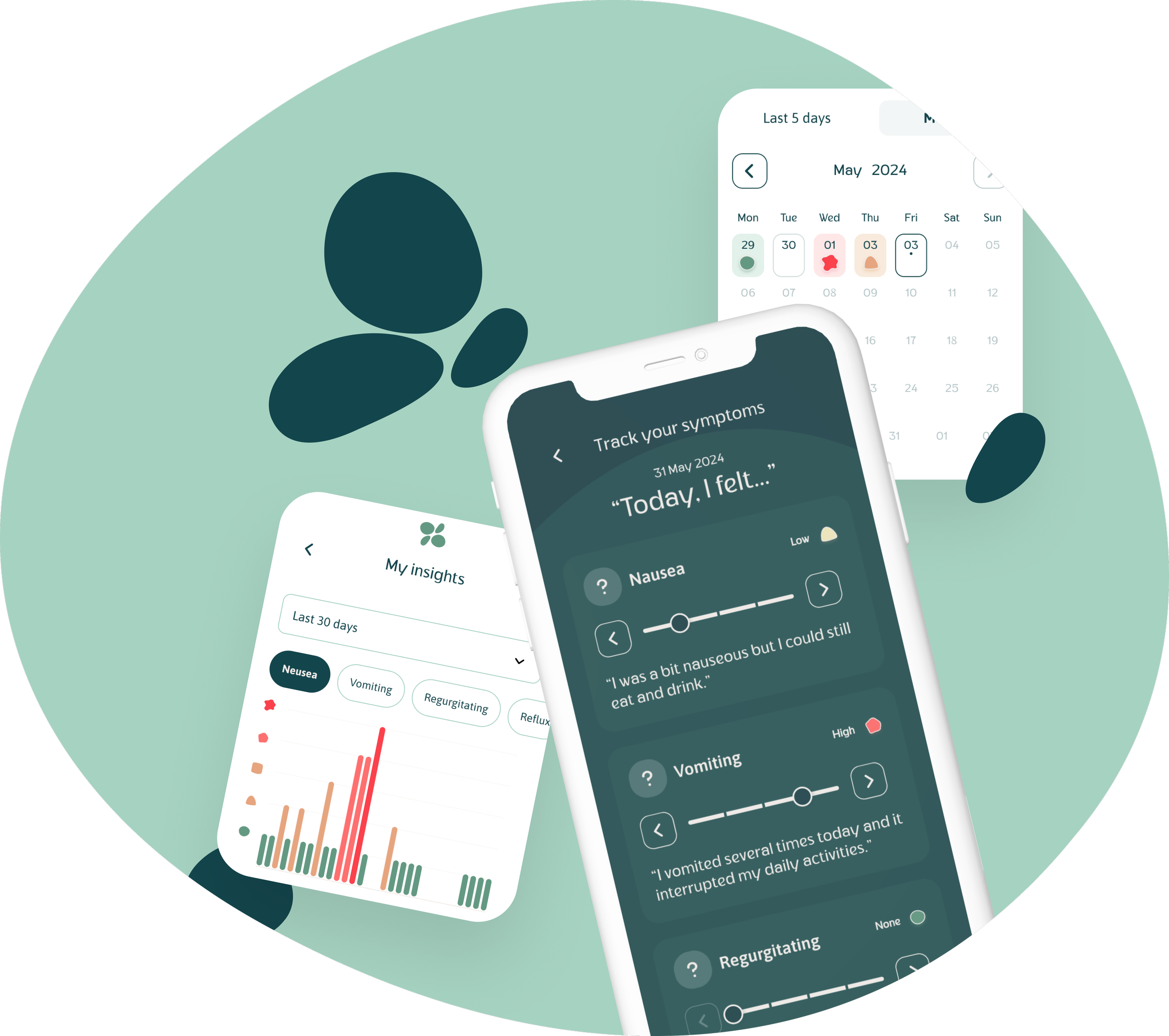
Get more support in the Prospero Health App
The app shows articles like this to you at the right time — in the right place.
Prospero Health App is FREE, and made for Australians using Obesity Management Medications or recovering from bariatric surgery.
References
Healthdirect Australia. Vomiting. Last reviewed Feb 2024. https://www.healthdirect.gov.au/vomiting
Queensland Health – NEMO. Nausea and Vomiting (patient resource). Developed May 2023; review due May 2025. https://www.health.qld.gov.au/__data/assets/pdf_file/0025/149236/oncol-nausea.pdf
RACGP. Metz & Hebbard. Nausea and vomiting in adults: a diagnostic approach. Aust Fam Physician.
2007;36(9):688–696. https://www.racgp.org.au/getattachment/4476e8a7-5254-4205-a118-a009f5b52bf2/200709metz.pdf
Gorgojo-Martínez J, Mezquita-Raya P, Carretero-Gómez J, et al. Clinical Recommendations to Manage Gastrointestinal Adverse Events in Patients Treated With GLP-1 Receptor Agonists. J. Clin. Med. 2023;12(1):145. https://www.mdpi.com/2077-0383/12/1/145