

Everything you need to know about Headaches
This information is general in nature and does not replace personalised medical advice. If you have concerns, please consult your healthcare provider.
What is a Headache?
A headache is a pain or discomfort felt in the head, scalp, or neck. Headaches are very common and are usually not serious, but they can affect your ability to concentrate, work, or enjoy daily life [1]. Most headaches are short-term and can be managed with simple measures such as rest, hydration, or mild pain relief. However, in some cases, headaches may be a sign of an underlying issue that needs medical attention [1,2].
Common Causes of Headaches
Headaches can be triggered by a range of factors. Some are lifestyle-related, while others are linked to medical or environmental causes. Common causes include:
Dehydration - Not drinking enough fluids or losing fluid through sweating, vomiting, or diarrhoea can cause headaches [1].
Stress and tension - Emotional stress or muscle tension in the neck and shoulders can trigger tension-type headaches [1,2].
Dietary changes - Skipping meals, fasting, or making sudden dietary changes (such as after bariatric surgery or when commencing Obesity Management Medications, like GLP-1RA medicines), may cause headaches as your body adjusts [2].
Medication side effects - Some medications, including certain painkillers or supplements, can cause headaches when overused or as a side effect [1].
Sleep issues - Too little or poor-quality sleep can lead to headaches [2].
Caffeine withdrawal - Suddenly reducing or stopping caffeine intake can cause temporary headaches [1].
Low blood sugar - Eating irregularly or missing meals can cause blood sugar drops that trigger headaches [1,2].
Illness or infection - Headaches often accompany viral infections, dehydration, or fever [1].
In rare cases, headaches may be related to more serious conditions, such as high blood pressure, sinus infection, or neurological causes. If you’re unsure, it’s best to check with your doctor.
What You Can Do to Manage Headaches
Headache management often involves identifying and reducing triggers while supporting your overall wellbeing. These simple strategies can help:
Stay hydrated - Aim for 1.5–2 litres of water or non-caffeinated fluids each day. Drink more if you’re sweating, vomiting, or experiencing diarrhoea [1].
Eat regular, balanced meals - Include carbohydrates, protein, and vegetables or fruit in each meal to keep blood sugar levels stable [1].
Manage stress - Gentle stretching, relaxation, deep breathing, or mindfulness exercises can reduce tension headaches [2].
Get enough sleep - Try to keep a consistent bedtime routine and aim for adequate rest each night [1].
Limit caffeine and alcohol - Too much caffeine or alcohol can worsen dehydration and trigger headaches [2].
Follow your healthcare team’s advice - If you’re adjusting to a new diet, treatment, or medication, follow your provider’s recommendations.
Track your symptoms - Keeping a diary of your headache patterns, triggers, and duration can help identify causes and guide treatment.
Over-the-counter pain relief such as paracetamol or ibuprofen can be used occasionally, but these should not be relied upon long term. Overuse of painkillers can lead to medication overuse headaches [1].
When to Seek Medical Help
You should contact your healthcare provider if you experience:
Severe or persistent headaches that don’t improve or worsen over time.
Headaches with other symptoms such as blurred vision, nausea, vomiting, weakness, speech problems, or confusion.
Sudden or severe pain that comes on quickly and feels different from usual headaches.
Headaches after a head injury.
New headaches if you don’t normally get them, or if they occur daily.
Seek urgent medical attention if you have sudden severe headache, stiff neck, fever, or any neurological changes such as confusion or weakness — these can indicate a more serious condition [1,2].
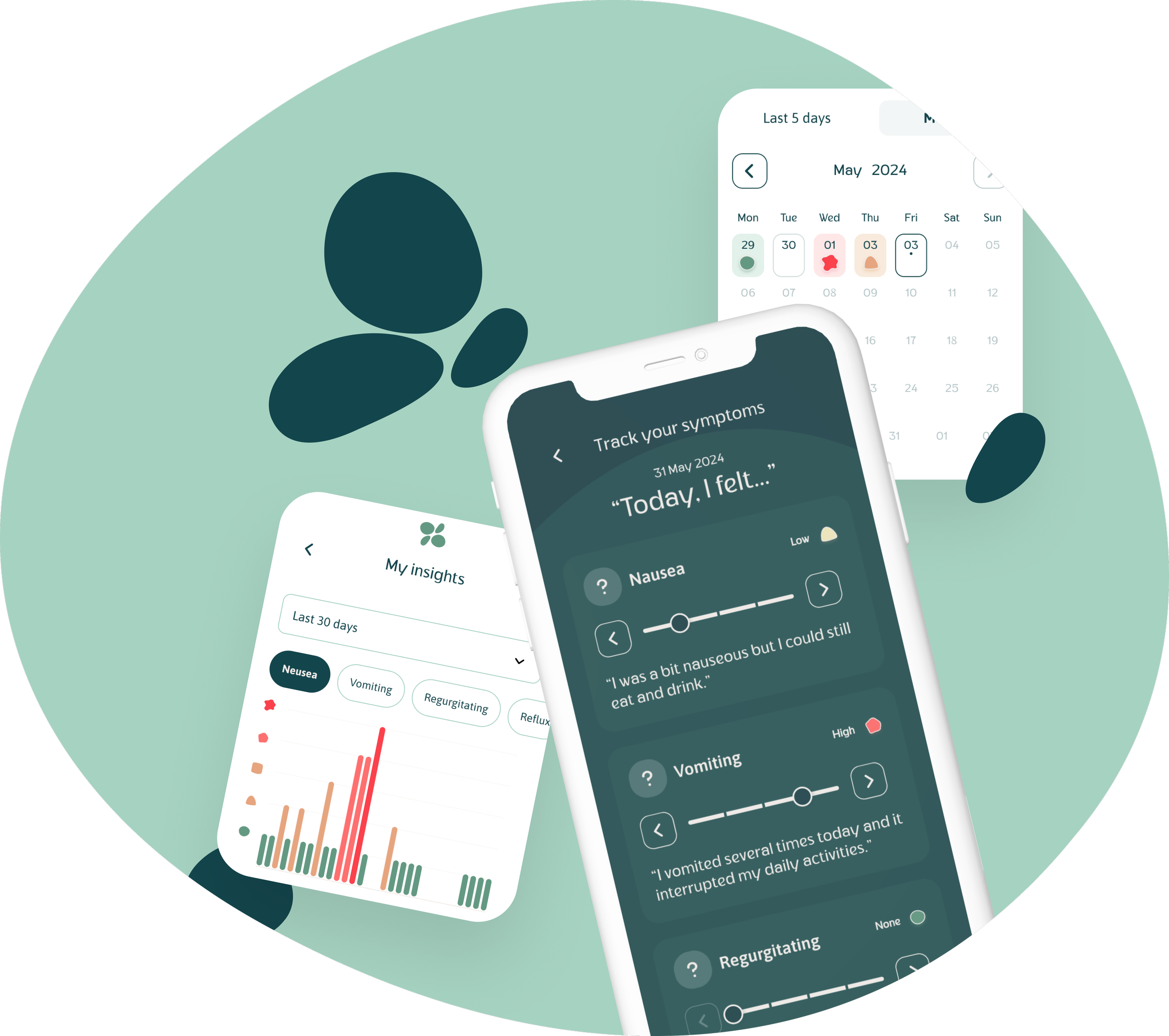
Get more support in the Prospero Health App
The app shows articles like this to you at the right time — in the right place.
Prospero Health App is FREE, and made for Australians using Obesity Management Medications or recovering from bariatric surgery.
References
Healthdirect (2024). Headaches. https://www.healthdirect.gov.au/headaches
Better Health Channel (2025). Headache. Victorian Government. https://www.betterhealth.vic.gov.au/health/conditionsandtreatments/headache