

Understanding the Risk of Malnutrition During Obesity Treatment
This information is general in nature and does not replace personalised professional advice. Please contact your healthcare team if you have any questions or concerns.
Obesity treatment can be an important step towards improving your health¹. However, one aspect of treatment that people may not always expect is how it can affect your nutrition.
Malnutrition can occur in people of any body size, including those living with obesity [2]. Changes in appetite, food intake and the way your body functions during treatment can sometimes make it more difficult to meet your body’s nutritional needs [1,2].
Understanding this risk can help you and your healthcare team take steps to support your nutrition throughout treatment.
What is malnutrition?
Malnutrition occurs when the body does not receive enough nutrients (e.g. energy, protein, vitamins or minerals) to support normal body functions [2]. Over time, this can affect strength, mobility, energy levels, immune function, wound healing, bone health and long-term weight maintenance [2-4]. However, malnutrition is not always visible, and body weight alone does not indicate whether someone is meeting their nutritional needs [1,4].
Malnutrition can occur when:
Overall food intake is reduced [2,4].
Restrictive dieting practices are followed for long periods of time [5].
Diet variety is limited [2].
Nutrient needs are increased during illness, increased exercise, recovery from medical/surgical treatment, or periods of nausea and vomiting [2,4].
The body is unable to absorb nutrients effectively, e.g. after some types of bariatric (metabolic) surgery [2].
Obesity management medications reduce hunger, cause nausea, or lead to skipping meals [6].
How can obesity treatment affect nutrition?
Bariatric surgery
Bariatric surgery supports weight loss by reducing how much food feels comfortable to eat, changing hormones that influence hunger and fullness, and in some procedures, affecting how nutrients are digested and absorbed [7].
After surgery, people may:
Feel full sooner [7,8].
Eat smaller portion sizes [8].
Experience low appetite [8,9].
Have changes in taste or the types of food they can tolerate [10].
Have less desire or motivation to eat regularly [8].
Be unable to absorb as much nutrition from the food they eat as efficiently
Obesity management medications
Obesity management medications (such as GLP-1RA medicines) that support weight loss by reducing appetite and slowing how quickly food leaves the stomach [1].
This may lead to:
Reduced hunger [6,11].
Eating smaller portion sizes [6].
Feeling full quicker [6].
Nausea or reduced interest in food [6,11].
Have less desire or motivation to eat regularly [6,11].
What to eat to avoid malnutrition
Getting enough protein is critical
Eating less food may make it more difficult to meet your protein needs if meals are not carefully planned [7]. During weight loss, if protein intake is too low, the body may lose more muscle instead of fat, even if body weight stays the same [12].
Good protein sources include [7]:
lean meats
chicken without skin
fish (including tinned varieties)
eggs
dairy foods such as milk, yoghurt and cheese
soy foods such as tofu
legumes such as lentils, chickpeas and beans
Protein-rich foods are also important sources of minerals such as iron, zinc and calcium [13].
Ask your healthcare team for guidance on how much protein you should aim to eat each day. How much protein you need will be unique to you and your situation, so it is important to get advice from qualified health professionals.
Include some healthy carbohydrate foods
Including a small amount of good quality carbohydrate at each meal (such as wholegrains like oats, wholegrain bread or brown rice, fruit or legumes) can help keep your energy levels steady and support healthy blood sugar levels [14].
When eaten as part of a balanced meal, carbohydrates can also help you feel fuller for longer. This is especially important if you are doing moderate to higher intensity physical activity, as carbohydrate is the body’s main fuel source during exercise [14,15].
Including enough energy from carbohydrate helps to ensure that the protein you eat is used for its important functions – see above (rather than being used for energy).
Include a small amount of healthy fats
Including a small amount of healthy fats (such as nuts, seeds, avocado, olive oil or oily fish - like salmon, trout and sardines) supports overall health [16].
Fats help the body absorb certain vitamins and play an important role in brain health, hormones and the immune system. Only small amounts are needed, with around 3-4 teaspoons per day usually enough [16,17].
Get enough vitamins and minerals
Reduced appetite during obesity treatment may lead to lower overall food intake.
Over time, this may increase the risk of low levels of certain vitamins and minerals, which may not always cause noticeable symptoms at first [9]. After bariatric surgery, it is essential to take appropriate multivitamin and mineral supplements every day [7]. For some people taking obesity management medications, a daily multivitamin supplement may also be required [18].
Some nutrients require special attention. These include:
Iron
Zinc
Iodine
Calcium
Vitamin A
Vitamin B12
Vitamin D
Ask your healthcare team to check your vitamin and mineral levels regularly. Ask for advice on appropriate supplements for you. This is particularly important after bariatric surgery, when your stomach and gut have changed and does not digest and absorb nutrients normally.
Practical ways to reduce your risk of malnutrition
The goal of obesity treatment is to support weight loss while still meeting your body’s nutrition needs. Building good nutrition habits early can help prevent nutrient deficiencies [20].
You can reduce your risk of malnutrition by:
Building your team early
Working with your healthcare team. Especially working with a dietitian, before and after starting treatment can help you stay well nourished [13]
Choosing nutrient-dense foods
When appetite is lower, there is less room for food, which means each bite matters [7].
Including a protein food at meals and snacks (e.g. dairy, eggs, legumes, lean meats, chicken, fish including tinned varieties, tofu, nuts or seeds) [7].
Including a small amount of healthy carbohydrate at each main meal (e.g. grain bread or crackers, wholegrain cereal such as oats, legumes, corn, sweet potato, basmati rice, fruit or yoghurt). Try not to replace your protein or vegetables/salad with these foods but remember to include them as a small part of your meal [14]. If you are doing a lot of exercise, you may need a little more carbohydrate at snacks between meals [14,15].
Including small amounts of healthy fats during the day (e.g. olive oil as a salad dressing, or sliced avocado in a salad or on toast) [16].
If symptoms such as nausea affect your intake, your team may recommend:
Food fortification (adding extra protein or energy to meals you already tolerate) [21].
Combining a few good sources of protein in the same meal i.e. adding cheese to eggs, or yoghurt to casserole/curry, or adding chickpeas/cheese to a tuna/chicken salad.
Oral nutrition supplements (high-energy, high-protein drinks) as short-term support [21]. Your healthcare team can recommend these if required.
Take recommended vitamin and mineral supplements as recommended:
Particularly after bariatric surgery, you are unlikely to prevent vitamin and mineral deficiencies developing, unless you take appropriate supplements. This is because your digestion and absorption of vitamins and minerals are interrupted by the changes to your stomach and intestine.
For bariatric surgery:
Specialised post bariatric surgery vitamin and mineral supplements are usually recommended for life [7]. Ask your dietitian or health care provider what these supplements are best for you.
With obesity management medications:
Supplements are not always needed long term. However, your healthcare team may recommend them if food intake is low or blood tests show low levels of certain nutrients [18].
Monitoring your nutrition with blood tests:
For bariatric surgery:
Blood tests are commonly recommended before surgery, at 6 and 12 months after surgery, and then yearly long term [7,13] - they may need to be done more regularly for some people.
With obesity management medications:
Blood tests are usually based on your needs. They may be recommended before starting treatment and repeated if intake is low or symptoms suggest a deficiency [18].
Know when to reach out for help:
Contact your healthcare team if you experience:
Ongoing nausea or vomiting
Very low intake most days
Regularly forgetting to eat or missing meals because of low hunger
Ongoing constipation
Reduced tolerance to foods overtime
Fatigue, dizziness or feeling faint
Hair loss
New tingling or numbness in your hands or feet
Obvious muscle loss
Changes in your skin or nails
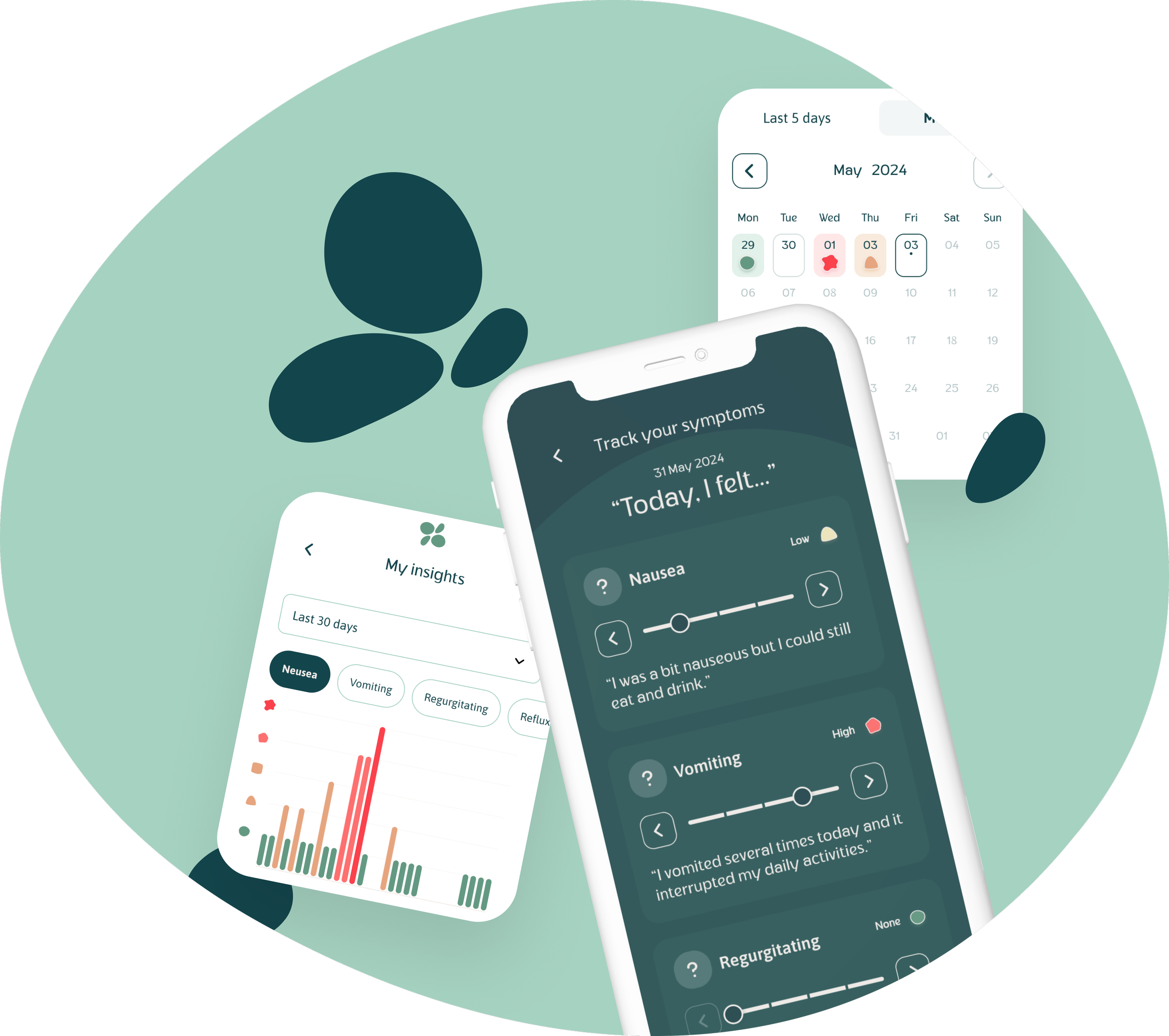
Get more support in the Prospero Health App
The app shows articles like this to you at the right time — in the right place.
Prospero Health App is FREE, and made for Australians using Obesity Management Medications or recovering from bariatric surgery.
References
Roomy MA, Hussain K, Behbehani HM, Abu-Farha J, Al-Harris R, Ambi AM, et al. Therapeutic advances in obesity management: an overview of the therapeutic interventions. Front Endocrinol (Lausanne). 2024;15:1364503. https://doi.org/10.3389/fendo.2024.1364503
Cederholm T, Jensen GL, Correia MITD, Gonzalez MC, Fukushima R, Higashiguchi T, et al. GLIM criteria for the diagnosis of malnutrition - A consensus report from the global clinical nutrition community. Clinical Nutrition. 2019;38(1):1-9. https://doi.org/10.1016/j.clnu.2018.08.002
Malnutrition [Internet]. Australia: Dietitians Australia [updated 2025 Aug 4; cited 2026 Mar 12]. Available from: https://dietitiansaustralia.org.au/health-advice/malnutrition
Saunders J, Smith T. Malnutrition: causes and consequences. Clin Med (Lond). 2010;10(6):624-7. https://doi.org/10.7861/clinmedicine.10-6-624
Gibson D. Malnutrition & Food Restriction: The Health Risks Of Eating Disorders [Internet]. United States of America: Acute Centre for Eating Disorders & Severe Malnutrition; c2020 [published 2025 Apr 18; cited 2026 Mar 12]. Available from: https://www.acute.org/resources/impact-food-restriction#:~:text=Food%20restriction%20related%20to%20eating,them%20are%20treatable%20or%20manageable.
Chong MC, Ko TYL, le Roux PL, le Roux CW. Changes in Eating Behaviour During Treatment With Obesity Medications. Clin Obes. 2026;16(1):e70065. https://doi.org/10.1111/cob.70065
Mohapatra S, Gangadharan K, Pitchumoni CS. Malnutrition in obesity before and after bariatric surgery. Disease-a-Month. 2020;66(2):100866. https://doi.org/10.1016/j.disamonth.2019.06.008
Al-Najim W, Docherty NG, le Roux CW. Food Intake and Eating Behavior After Bariatric Surgery. Physiological Reviews. 2018;98(3):1113-41. https://doi.org/10.1152/physrev.00021.2017
Aukan MI, Skårvold S, Brandsaeter I, Rehfeld JF, Holst JJ, Nymo S, et al. Gastrointestinal hormones and appetite ratings after weight loss induced by diet or bariatric surgery. Obesity (Silver Spring). 2023;31(2):399-411. https://doi.org/10.1002/oby.23655
Park YS. Changes in perceptions of taste after bariatric surgery: a narrative review. Ann Clin Nutr Metab. 2024;16(3):120-4. https://doi.org/10.15747/ACNM.2024.16.3.120
Qi QYD, Cox A, McNeil S, Sumithran P. Obesity medications: A narrative review of current and emerging agents. Osteoarthritis and Cartilage Open. 2024;6(2):100472. https://doi.org/10.1016/j.ocarto.2024.100472
Schollenberger AE, Karschin J, Meile T, Küper MA, Königsrainer A, Bischoff SC. Impact of protein supplementation after bariatric surgery: A randomized controlled double-blind pilot study. Nutrition. 2016;32(2):186-92. https://doi.org/10.1016/j.nut.2015.08.005
Ganipisetti VM, Naha S. Bariatric Surgery Malnutrition Complications [Internet]. Treasure Island (FL): StatPearls Publishing; 2026 [updated 2023 May 19]. Available from: https://www.ncbi.nlm.nih.gov/books/NBK592383/
Holesh JE, Aslam S, Martin A. Physiology, Carbohydrates [Internet]. Treasure Island (FL): StatPearls Publishing; 2026 [updated 2023 May 12]. Available from: https://www.ncbi.nlm.nih.gov/books/NBK459280/
Sporting performance and food [Internet]. Victoria: BetterHealth Channel; c2024 [reviewed 2024 April 17]. Available from: https://www.betterhealth.vic.gov.au/health/healthyliving/sporting-performance-and-food
The facts about fats [Internet]. Canberra: Dietitians Australia [updated 2025 Mar 4]. Available from: https://dietitiansaustralia.org.au/health-advice/facts-about-fats
Healthy eating and diet [Internet]. Victoria: BetterHealth Channel; c2024 [reviewed 2024 Aug 6]. Available from: https://www.betterhealth.vic.gov.au/health/healthyliving/healthy-eating
Urbina J, Salinas-Ruiz LE, Valenciano C, Clapp B. Micronutrient and Nutritional Deficiencies Associated With GLP-1 Receptor Agonist Therapy: A Narrative Review. Clin Obes. 2026;16(1):e70070. https://doi.org/10.1111/cob.70070
Morris AL, Mohiuddin SS. Biochemistry, Nutrients [Internet]. Treasure Island (FL): StatPearls Publishing; 2026 [updated 2023 May 1]. Available from: https://www.ncbi.nlm.nih.gov/books/NBK554545/
Hall KD, Kahan S. Maintenance of Lost Weight and Long-Term Management of Obesity. Med Clin North Am. 2018;102(1):183-97. https://doi.org/10.1016/j.mcna.2017.08.012
Baldwin C, Kimber KL, Gibbs M, Weekes CE. Supportive interventions for enhancing dietary intake in malnourished or nutritionally at-risk adults. Cochrane Database Syst Rev. 2016;12(12):Cd009840. https://doi.org/10.1002/14651858.CD009840.pub2